
Cambodia


Creating opportunity for Cambodia’s rural households.
More than three-quarters of Cambodia’s 16 million people live in rural areas, and nearly half of the country’s workforce is employed in agriculture, making land essential to the livelihoods of the majority of Cambodians. The Government of Cambodia is carrying out a land allocation and formalization program, empowering farmers with a tool to grow a future free of poverty. The first families receiving titles to plots of land saw large increases in agricultural income. In 2023, with a national mandate to accelerate land title registration across the country, these land allocation efforts picked up speed.
Landesa supports the Government of Cambodia to help bring this land allocation program to scale and in alignment with the rights and interests of Cambodia’s smallholders, Indigenous Peoples, and women who rely on access to land. Landesa also works to build the capacity of local civil society organizations to implement land titling programs equitably and effectively. Together, these efforts have the potential to help strengthen the land rights of three million rural households.



Our work
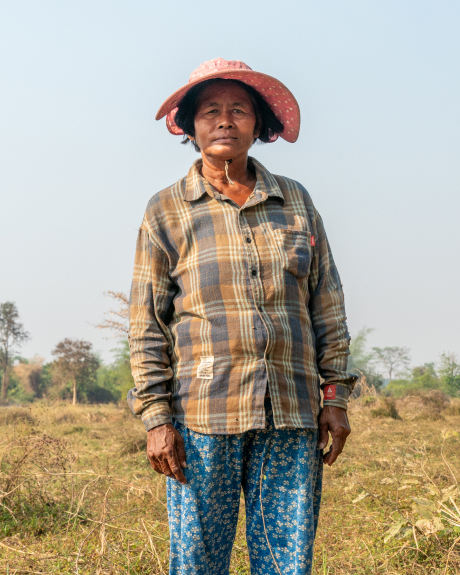
National Legal Reform
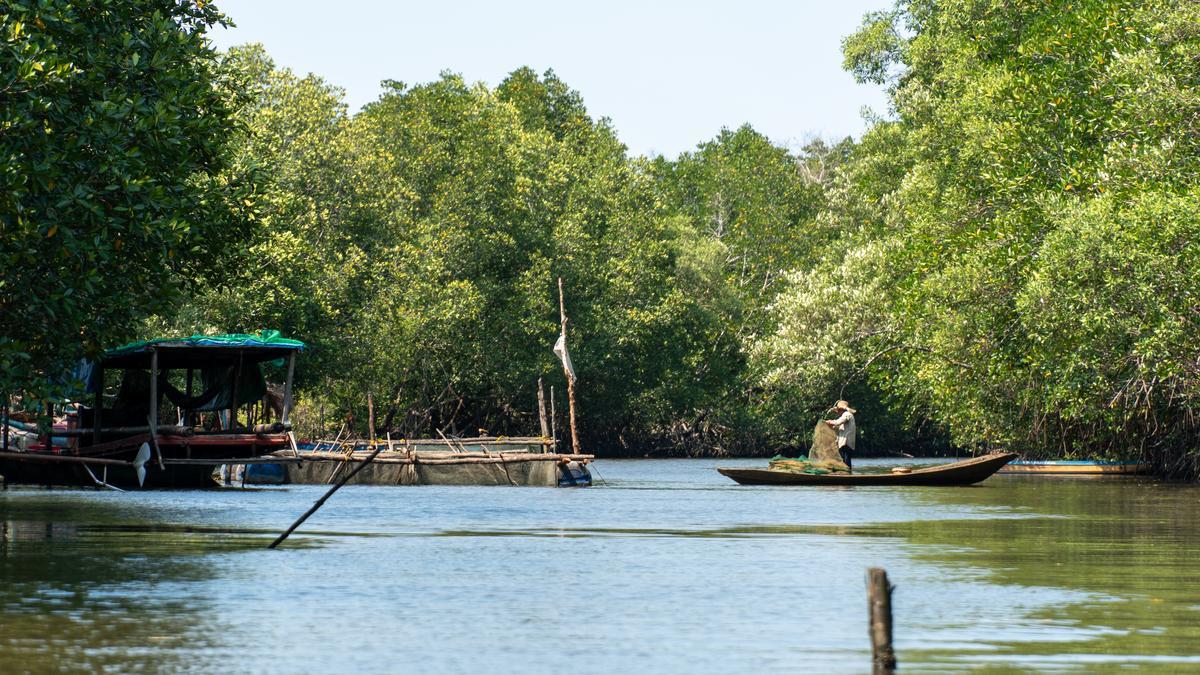
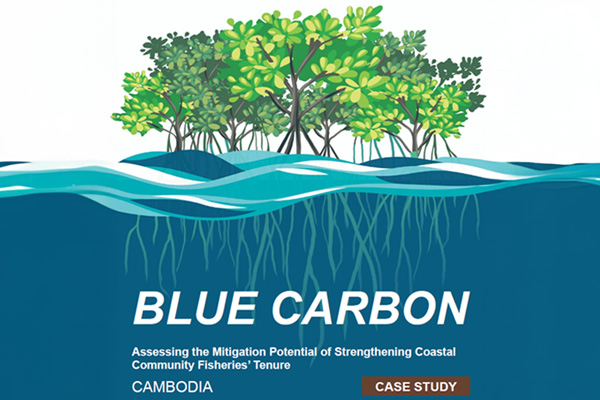
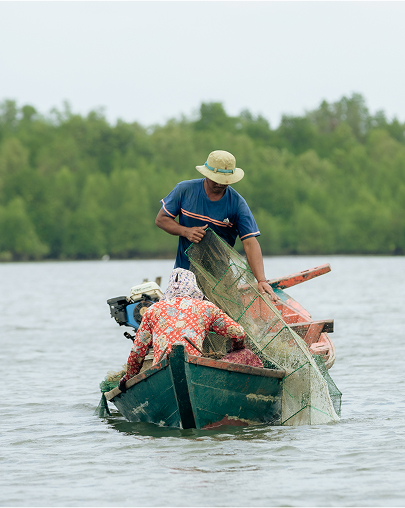
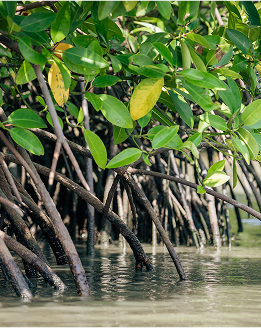
Since 2023, Landesa has worked with local partners to incorporate protections for smallholder farmers, Indigenous Peoples, and women in Cambodia’s new national Land Law. In 2025, the Cambodian government invited Landesa to work with the Ministry of Land to advise on the new law and implementing regulations, allowing Landesa to actively support the government in strengthening tenure rights through law. Landesa is also advising the Fisheries Administration on regulations to support community fisheries and mangrove forest health under the new Fisheries Law. Landesa’s work on the law focuses on extending the duration of community fishery tenure and strengthening communities’ rights to sustainably manage this vital climate and economic resource.
These two historic new laws are both in final draft form with the potential to strengthen tenure security for more than three million farming and fishing families.
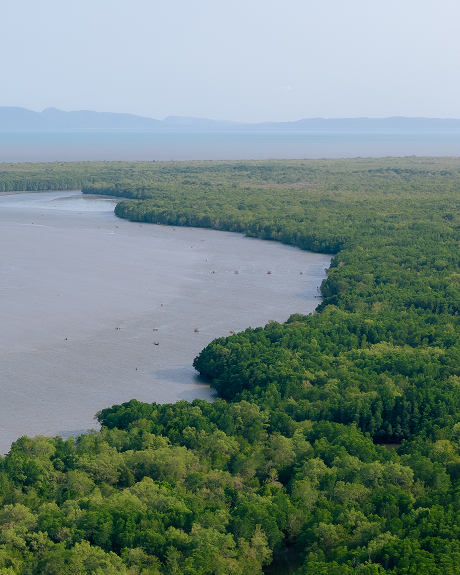
Indigenous Communal Land Titling
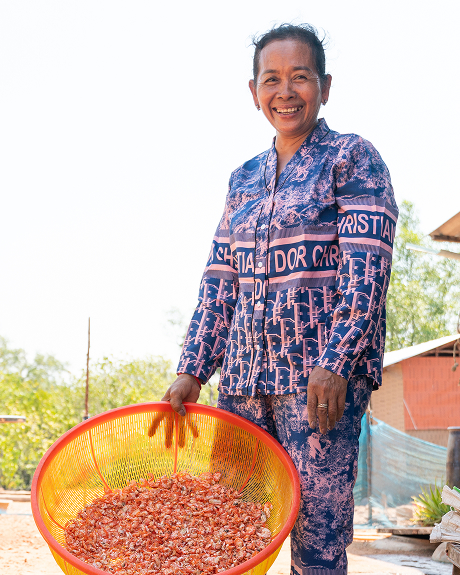
Provincial Land Allocation
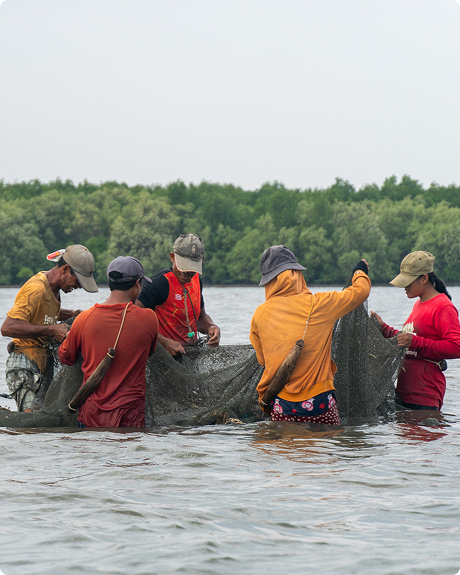
Provincial Fishery Policy