




1993
A report-card evaluation by Landesa (then called the Rural Development Institute) of U.S. foreign economic aid programs — the authors’ 12th report card measuring the effectiveness of such programs in reaching the poor and promoting equitable growth in recipient countries. The authors conclude that the Agency for International Development (AID) plans to spend only 43 cents on the dollar of the evaluated foreign economic aid on undertakings that are likely to benefit the poor, and that in some less-developed countries, little or nothing of each aid dollar is spent for such effective undertakings. However, they also conclude that AID has a demonstrated capacity to do much better, and that a small number of specific Congressional and Administrative initiatives could significantly improve AID’S performance. | Download PDF
Category:
Related resources
Mangrove Ecosystem Service Valuation in Indonesia’s New Capital City – IKN
This brief highlights how recognizing and integrating the ecosystem services of mangroves into planning decisions—complemented by conservation efforts and sustainable resource use through strengthened tenure rights—is essential to promoting sustainable land use in Indonesia’s intended new capital city.
Landesa Reports, Research
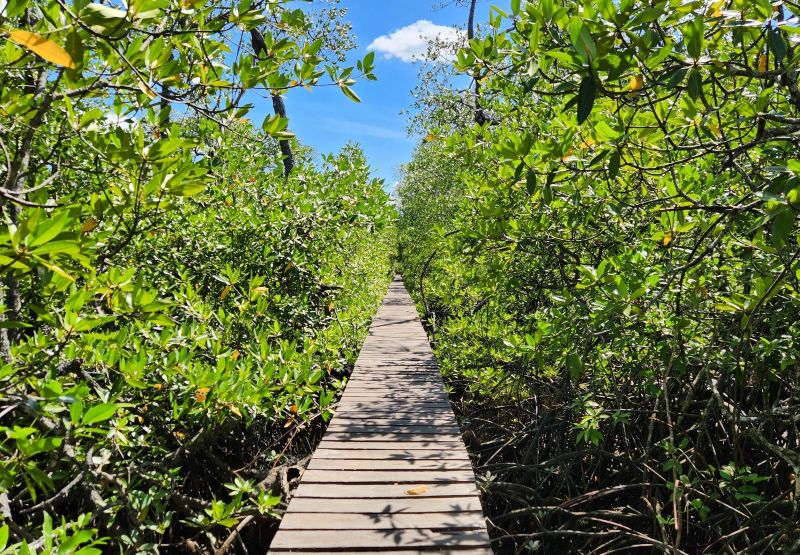
Integrating Mangrove Ecosystem Valuation, Land Certification, and Gender Inclusion in Nusantara Capital City
Landesa’s new study demonstrates how Indonesia’s intended new capital city can showcase integrated and inclusive tenure security and coastal management that balance urban development with mangrove ecosystem conservation. The study reveals the feasibility of implementing Payment for Ecosystem Services and proposes integrating ecosystem service economics with the land certification framework in the country, pioneering gender-responsive ecosystem service rights certification.
Landesa Reports, Research
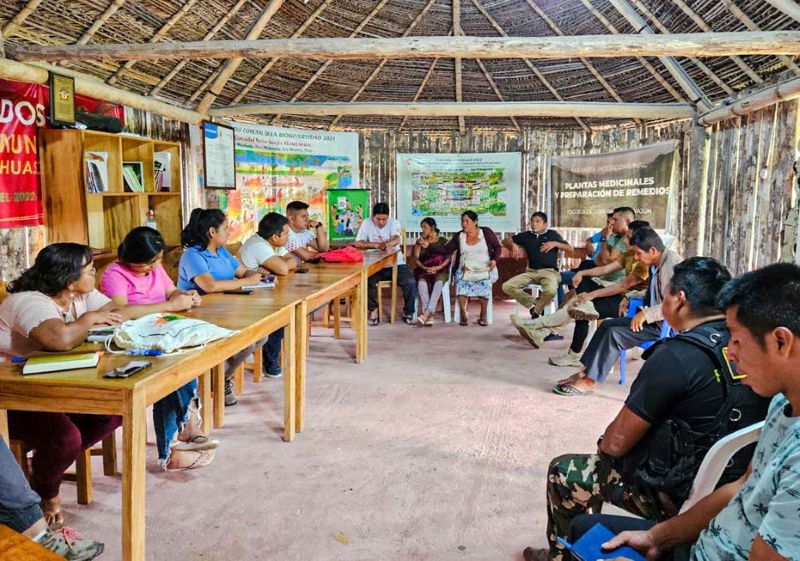
Consultation and Consent in Indigenous-led Carbon Projects: Good practices and lessons learned from the Awajun Tajimat Pujut Initiative (English & Spanish)
This case study provides lessons and good practices from the Tajimat Pujut Initiative (TPI), an Indigenous-led carbon project in Peru, offering insights into how effective consultation and consent practices can support responsible carbon projects that align with Indigenous values and deliver sustainable returns for their use and management of land and forests.
Research
