
Resources



Featured resource
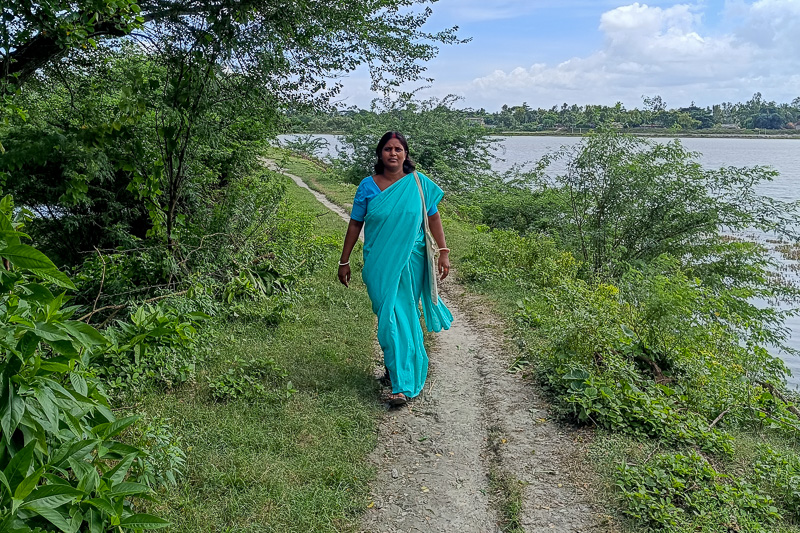
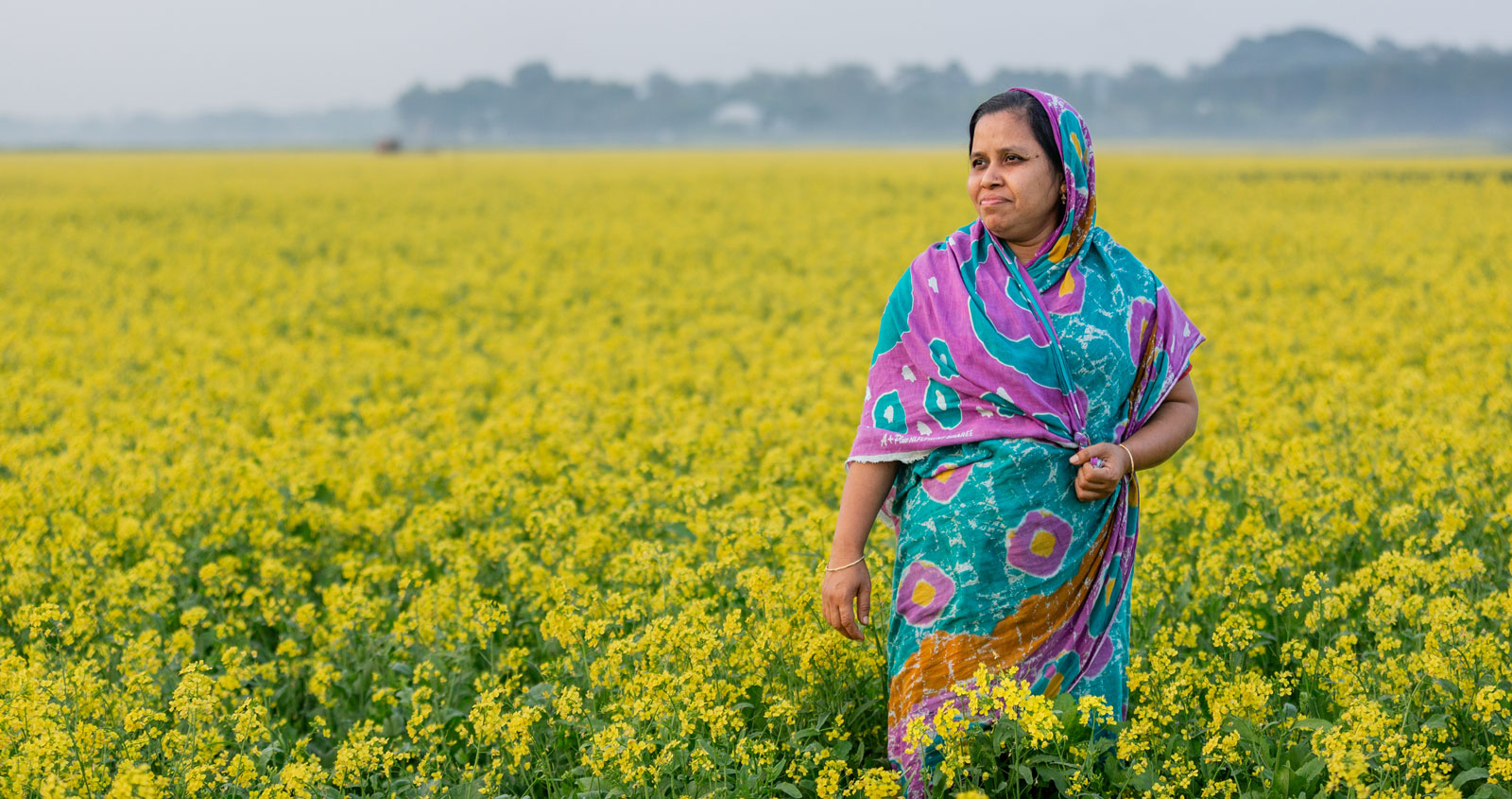
After Cyclone Aila destroyed her home, Supriya Mondal lost nearly everything. But the disaster also set her on an unexpected path, one that would turn her into a trusted community leader helping protect the Sundarbans through climate-smart livelihoods and mangrove conservation.
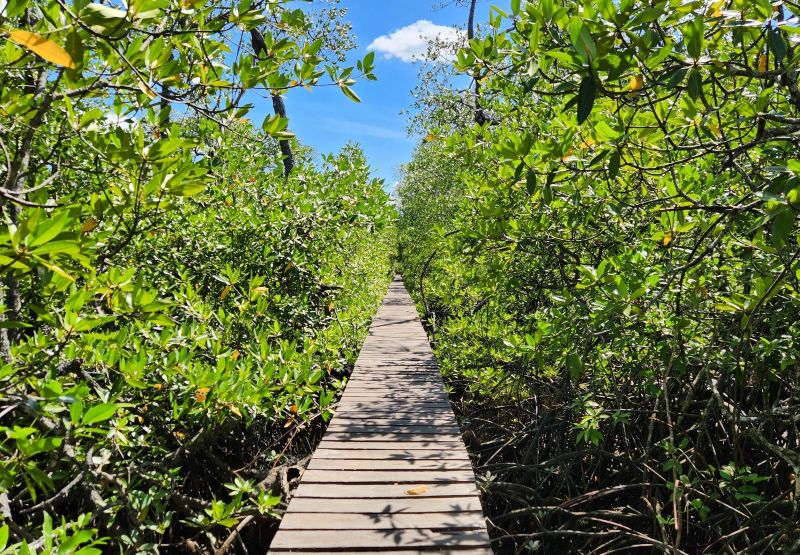
Landesa’s new study demonstrates how Indonesia’s intended new capital city can showcase integrated and inclusive tenure security and coastal management that balance urban development with mangrove ecosystem conservation. The study reveals the feasibility of implementing Payment for Ecosystem Services and proposes integrating ecosystem service economics with the land certification framework in the country, pioneering gender-responsive ecosystem service rights certification.
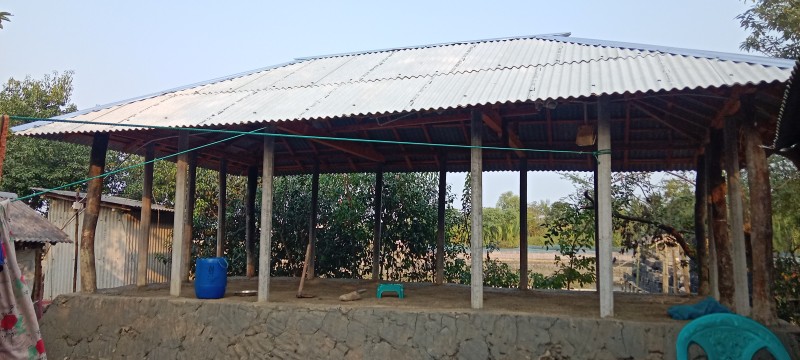
Meet Momtaz Begum, a woman rebuilding hope in coastal Bangladesh by adapting her land and planting mangroves to protect her home from the rising tide of climate change.
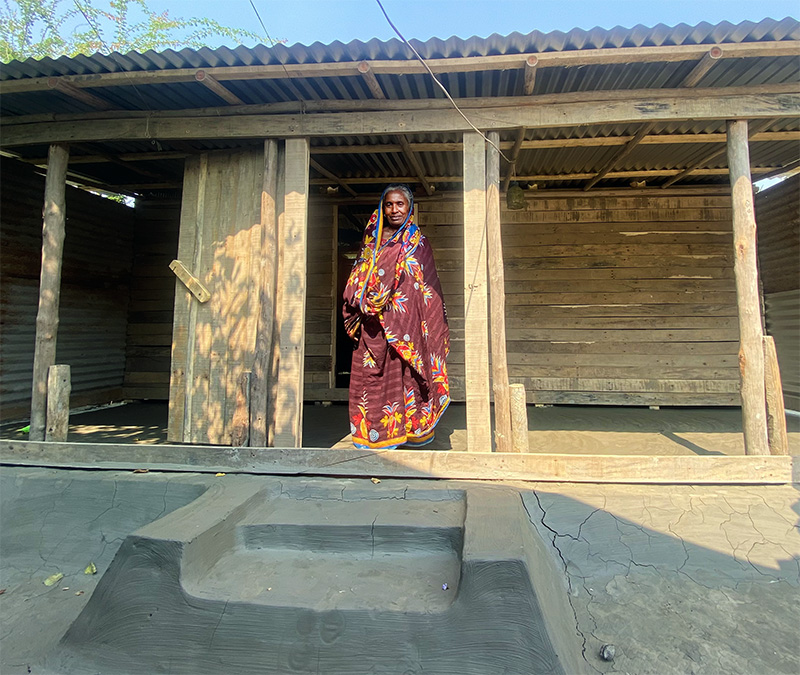
After decades without secure shelter, Naima and her family in Bangladesh’s Sundarbans gained legal access to land through a government lease program after attending a training supported by Shushilan and Landesa. They are now building a permanent home and planting a garden—laying the groundwork for a more stable future.
This program reflection from the Coastal Livelihoods and Mangroves Project explores how gender norms shape women’s and girls’ experiences of climate change in Bangladesh’s coastal communities. Drawing on fieldwork in Satkhira and Khulna districts, Shushilan’s Snigdha Ghosh highlights how unequal access to forest resources and mobility restrictions limit women’s participation in climate resilience efforts—reinforcing vulnerabilities and increasing the risk of gender-based violence. The insights underscore the need for gender-sensitive climate action that centers the voices and rights of women and girls.
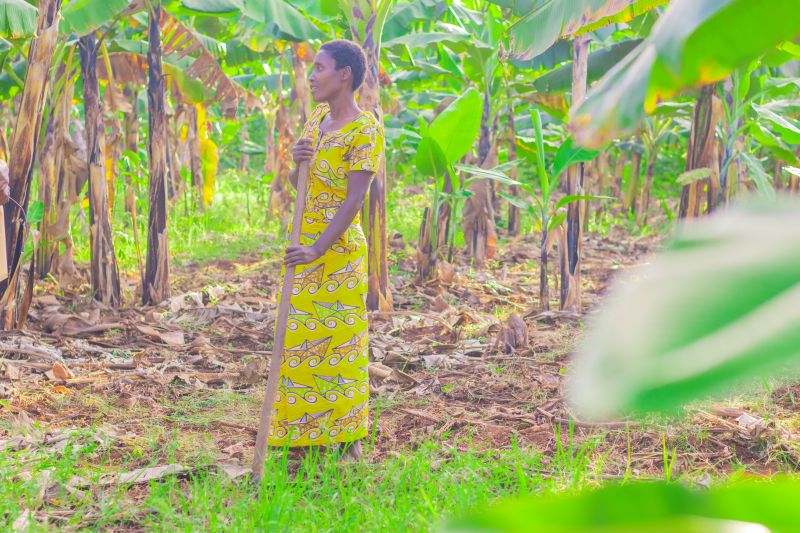
For a widow living with a disability, correcting her land boundaries was more than a technical process; it was a gateway to dignity, peace of mind, and community inclusion.
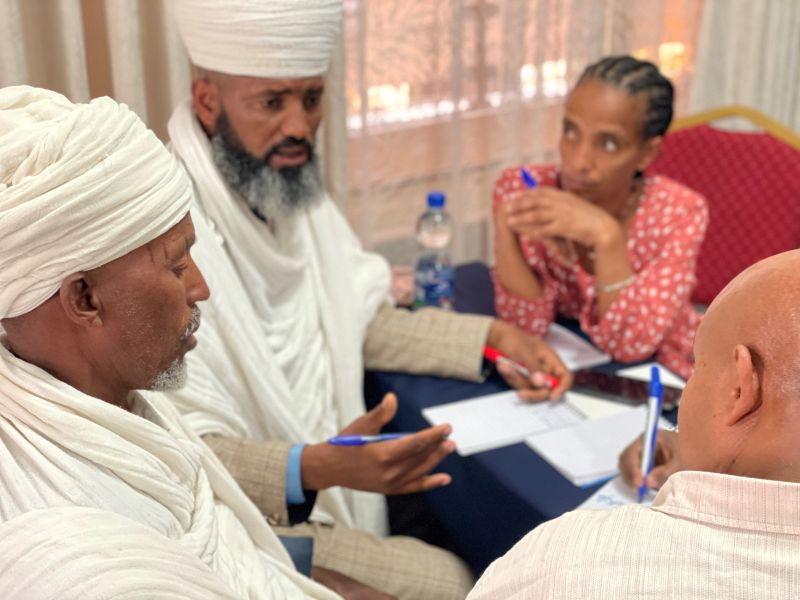
This guide explores women’s land rights through the lens of Ethiopian Christianity, drawing on Biblical texts, legal frameworks, and field evidence from Tigray, SWEPR, and Amhara regions. It aims to equip Church leaders to advocate for gender justice and influence customary norms within their communities.
Jharkhand leads India in witchcraft-related crimes, often tied to land disputes. This article examines how weak land rights expose tribal women to violence and outlines steps to reduce their vulnerability.
A new Landesa report explores the interconnectedness of women’s land rights, climate action, and the Women, Peace & Security (WPS) agenda. The report presents a novel conceptual model and case studies to illustrate how women’s land rights, climate action, and WPS can support and influence one another.
This Learning Brief, co-authored with Parliamentary Centre of Asia, highlights findings from a baseline survey and qualitative assessments Landesa’s local partners carried out in five Community Fisheries (CFis) in Cambodia that are part of a Coastal Livelihoods and Mangroves project. The brief describes gender dynamics in CFi participation and management, notes root causes of inequities related to social norms and local beliefs, and provides insights into effective interventions and pathways for strengthening CFis, livelihoods, and mangrove ecosystem health through gender equality.
